Source Stainless Steel Gb Ball Valve for Industrial and Water Use
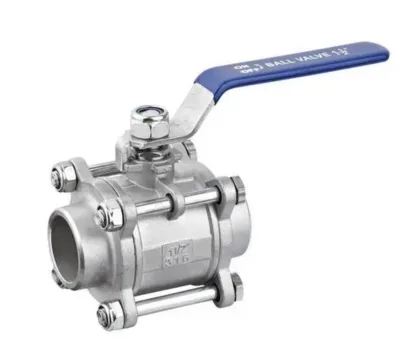
Find and compare 30 stainless steel gb ball valve options for household, industrial, and water applications. These forged valves feature floating or fixed ball structures with thread or flange connections, offering manual or pneumatic driving modes for reliable flow control.
Key considerations
Products List




Comprehensive Sourcing Guide
Stainless Steel GB Ball Valve Sourcing Guide
Procuring stainless steel GB ball valves requires a disciplined approach to technical verification and supplier qualification. These components serve critical roles in fluid control systems, offering durability and resistance to corrosion in demanding environments. Buyers must navigate a complex landscape of specifications, from material grades to connection types, to ensure compatibility with existing infrastructure. The market offers a wide array of options, including floating and fixed ball designs, each suited to different pressure and flow requirements. Understanding these distinctions is the first step in defining precise procurement needs.
This guide provides evidence-based insights for sourcing professionals, focusing on observable listing signals and technical parameters. By examining product attributes such as working pressure, temperature ranges, and sealing forms, buyers can filter out irrelevant offerings and identify suitable candidates. The following sections detail the critical verification steps, compliance documentation, and commercial considerations necessary for successful procurement. Adhering to these guidelines helps mitigate risk and ensures that selected valves meet operational standards and safety requirements.
Product Scope and Observed Listing Signals
The current market for stainless steel ball valves presents a diverse range of models, with observed product counts indicating significant availability. Listings frequently highlight specific model numbers such as SBV03, SBV17, and SBV08, which correspond to various size standards ranging from 1/4" to 4". These models often feature straight-through channel designs and are available in both floating and fixed ball structures. Buyers should note that some listings specify flexible ball valve types, while others emphasize tubular structures or gland packing seals. This variety necessitates careful review of product descriptions to match specific application needs.
Price observations reveal a broad range, with some listings indicating values up to 675 USD, while others may be lower. Minimum order quantities (MOQs) vary widely, from single units to thousands, reflecting the flexibility of suppliers in serving both small-scale and industrial projects. Common applications cited include household usage, general industrial processes, and water industrial usage. These signals suggest that buyers can find solutions for both domestic and heavy-duty industrial contexts, provided they verify the specific technical attributes against their operational requirements.
Technical Specifications to Verify
Technical verification begins with confirming the material composition and manufacturing process. Listings often specify stainless steel materials, including CF8, CF8m, and SS201, which offer varying levels of corrosion resistance and mechanical strength. The forging process is frequently mentioned, indicating a robust construction method that enhances durability under pressure. Buyers must verify the nominal pressure ratings, which can range from PN1.0 to 32.0 MPa, or adhere to specific standards like PN25 or ANSI CLASS 150. Ensuring the valve can withstand the system's maximum operating pressure is crucial for safety and longevity.
Connection forms and thread types are equally critical for installation compatibility. Common connection methods include threaded and flange options, with thread connections often specified as female BSP or NPT. Size standards typically span from 1/4" to 2" or larger, depending on the model. Additionally, working temperature ranges, such as -10°C to 110°C, must align with the fluid's thermal properties. Buyers should also check for specific functions like bypass, relief, or blow-down capabilities, as these specialized features may be required for complex fluid control systems.
Compliance and Safety Documentation
Compliance with international standards is a key indicator of product quality and reliability. Many suppliers provide certifications such as ISO9001, CE, and ACS, which attest to adherence to quality management and safety regulations. Some listings also mention UL certification, which is essential for markets with strict electrical or safety standards. Buyers should request copies of these certificates to verify their validity and ensure they cover the specific product models being procured. Documentation serves as proof that the manufacturer follows established protocols for production and testing.
In addition to certifications, understanding the standard proofs provided by suppliers is vital. Listings may reference CE and ISO proofs, indicating that the products have undergone relevant conformity assessments. Buyers should also inquire about specific testing procedures, such as pressure tests or material analysis, to ensure the valves meet industry benchmarks. While some background information may suggest RoHS compliance, buyers must confirm this explicitly for each order, as it is not universally guaranteed across all listings. Proper documentation ensures legal compliance and reduces liability risks.
Cost Drivers and Commercial Terms
Several factors influence the final cost of stainless steel ball valves, including material grade, size, and certification requirements. Higher-grade stainless steels like CF8m typically command higher prices due to their superior corrosion resistance. The complexity of the valve structure, such as fixed versus floating ball designs, also impacts manufacturing costs. Additionally, specialized functions like pneumatic actuators or custom thread configurations can increase the unit price. Buyers should analyze these variables to understand the cost structure and negotiate effectively with suppliers.
Commercial terms, including packaging and shipping methods, also play a role in total procurement costs. Listings indicate various packaging options, such as polybags, inner boxes, cartons, and wooden pallets, which affect handling and protection during transit. MOQs can range from 1 to 3000 units, influencing economies of scale. Buyers should consider the total landed cost, including freight and insurance, when evaluating quotes. Clear communication regarding payment terms and delivery schedules is essential to avoid unexpected expenses and ensure timely project completion.
Supplier Qualification and Quality Control
Supplier qualification involves assessing the manufacturer's production capabilities and quality control processes. Origins such as Zhejiang and Jiangsu in China are common sources for these valves, indicating established manufacturing hubs. Buyers should verify the supplier's ability to provide customization, as many listings highlight this service. Customization options may include specific thread types, sizes, or functional modifications, allowing for tailored solutions. Evaluating the supplier's responsiveness to custom requests can indicate their flexibility and commitment to meeting unique buyer requirements.
Quality control measures should be explicitly discussed during the sourcing process. Buyers should inquire about inspection protocols, including incoming material checks and final product testing. Suppliers with ISO9001 certification typically have structured quality management systems in place. However, buyers should not rely solely on certifications; direct engagement with the supplier to understand their QC procedures is essential. Requesting sample units for testing can provide tangible evidence of product quality and consistency before committing to large orders.
Long-Term Procurement Checks
Long-term procurement success depends on establishing reliable supply chains and maintaining consistent product quality. Buyers should monitor supplier performance over time, tracking metrics such as delivery times, defect rates, and responsiveness to issues. Regular audits or periodic quality checks can help identify potential problems early. Building a relationship with suppliers who prioritize transparency and continuous improvement ensures a stable supply of critical components. This proactive approach minimizes disruptions and supports ongoing operational efficiency.
Additionally, staying informed about industry trends and technological advancements is crucial for future-proofing procurement strategies. New materials or designs may offer improved performance or cost savings. Buyers should regularly review their specifications and compare them against current market offerings. Engaging with suppliers to discuss potential upgrades or alternative solutions can lead to better value and performance. By maintaining a dynamic and informed procurement process, buyers can adapt to changing needs and secure the best possible outcomes for their organizations.
FAQs
What materials are used for stainless steel gb ball valves?
These valves are primarily constructed from stainless steel, including grades like CF8, CF8m, and SS201. This material selection ensures durability and corrosion resistance for both household and industrial water applications under normal temperature conditions.
Which connection forms are available for these ball valves?
Available connection forms include thread and flange types. Specific thread options cover female threads, BSP, and NPT standards, while flange connections are also offered for larger sizes ranging from 1/4 inch up to 4 inches depending on the model.
Can these valves be customized for specific industrial needs?
Yes, customization is available to meet specific customer requirements. Buyers can request tailored screw threads and other specifications, allowing the valves to fit unique piping systems while maintaining compliance with ISO9001, CE, and Acs.UL certifications.
What is the working pressure range for these valves?
The nominal pressure ranges from PN1.0 to 32.0 MPa, with specific models rated at PN25 or PN16. This wide pressure tolerance supports various applications, ensuring reliable performance in both low and high-pressure industrial water systems.
How are these valves packaged for international shipping?
Packaging options include polybags, inner boxes, cartons, and wooden pallets. Some models use small boxes with cartons and plywood cases, while others utilize foam cartons, ensuring safe transport and protection during delivery to global destinations.
What is the temperature range for operation?
These valves operate effectively within a working temperature range of -10 to 110 degrees Celsius. This range supports normal temperature applications, making them suitable for diverse environments without compromising structural integrity or sealing performance.